Benefits of breast augmentation surgery
- Boost your breasts’ projection and fullness
- Enhance harmony between the breast and hip outlines.
- Improve your confidence and self-image.
The limitations of breast augmentation
The significant sagging of the breasts is not corrected by breast augmentation. For sagging breasts to look bigger and raised, a breast lift may be necessary in addition to a breast augmentation.
Breast lifting is frequently performed concurrently with breast augmentation surgery or can necessitate a separate procedure. You’ll get help from your plastic surgeon in making this choice.
How you get ready
You will discuss your choices for the size, feel, and appearance of your breasts with a plastic surgeon. The surgeon will go through the various implant varieties, including saline and silicone, smooth or textured, teardrop-shaped or spherical, and smooth or textured with texturing.
Review written materials with care, such as the patient information provided by the implant’s manufacturer, and save copies for your records.
Prior to deciding to have surgery, take these things into account:
Breast augmentation won’t stop your breasts from drooping. In addition to breast augmentation, your plastic surgeon may advise a breast lift to treat sagging breasts.
The longevity of breast implants is not certain. A typical implant has a lifespan of around 10 years. Implant rupture is conceivable. Additionally, as you age, your breasts may vary in appearance due to things like weight growth or reduction. The likely outcome of these problems is more surgery.
Mammograms could be more difficult. You’ll want additional, specialist images in addition to routine mammograms if you have breast implants.
Breast-feeding may be hampered by breast implants. After breast augmentation, some women are still able to breastfeed successfully. Breastfeeding, however, presents difficulties for some people.
Breast implants are not covered by insurance. Breast augmentation is not a procedure that insurance will pay for unless it is medically necessary, such as following a mastectomy for breast cancer. Be ready to cover the costs, including any associated surgeries or upcoming imaging tests.
Following breast implant removal, more surgery may be required. You could require a breast lift or other corrective surgery to help restore the appearance of your breasts if you choose to have your implants removed.
It is advised to check for silicone implant rupture. Five to six years after installation, the FDA advises routine breast MRI monitoring to check for silicone breast implant rupture. Then, every two to three years, a breast MRI is advised. If you don’t have any symptoms, an ultrasound might be a good alternative screening method. Consult your plastic surgeon about the precise imaging procedure required for regular implant monitoring.
Before your procedure, you might need a baseline mammogram. Additionally, your doctor may change some drugs before the procedure. For instance, it’s crucial to avoid aspirin and other drugs that can make bleeding worse.
If you smoke, your surgeon may advise you to give up the habit for four to six weeks before and following the procedure.
Plan to have someone pick you up from the hospital following the procedure and stay with you for at least the first night.
What to anticipate?
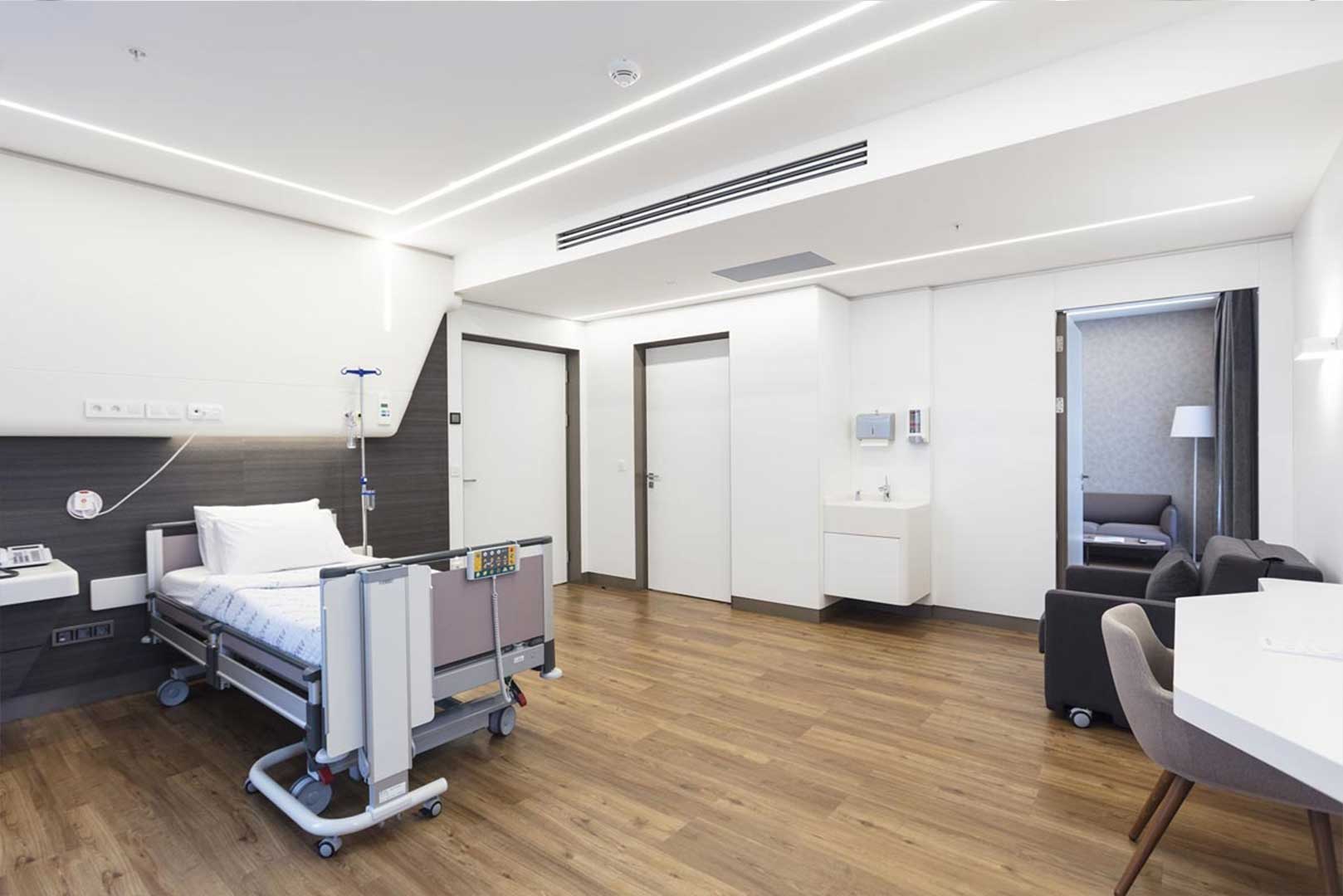
Breast augmentation can be performed in an outpatient hospital setting or surgical facility. Most likely, you’ll return home that day. Rarely does the surgery necessitate a hospital stay.
Breast augmentation procedures occasionally include local anesthetic while the area around your breasts is numbed while you are awake. However, breast augmentation is frequently performed under general anesthesia, putting you to sleep throughout the procedure. With you, your plastic surgeon will go over your alternatives for anesthesia.
Throughout the process
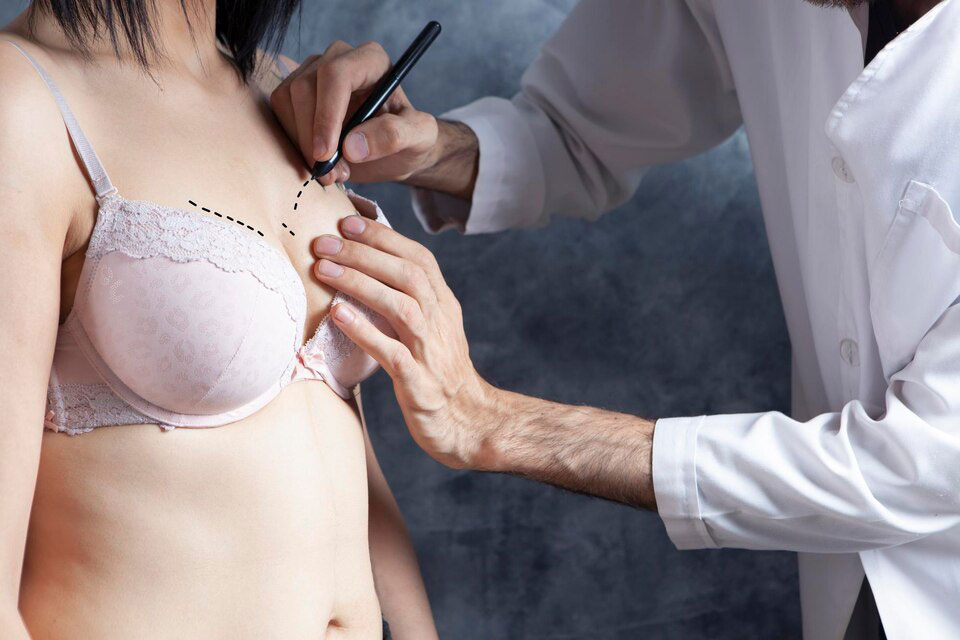
Your plastic surgeon will make a single cut (incision) in one of three locations to install the breast implant:
- Your breast’s underarm crease (inframammary)
- beneath your arm (axillary)
- between your nipples (periareolar)
Following the procedure
After surgery, there may be some swelling and pain for a few weeks. Bruising is also conceivable. Scars should lighten with time but not totally vanish.
Wearing a compression bandage or sports bra could be beneficial for further support and alignment of the breast implants while you’re recuperating. Additionally, your surgeon might recommend painkillers.
Results
Your breasts’ size and shape can alter after breast augmentation. Your self-esteem and body image may improve significantly from the operation. However, don’t demand perfection and keep your expectations in check.



 2023 © International Medical Expert. All rights reserved.
  Plastic Surgery
 In Vitro Fertilization-IVF
 Dental Aesthetics
 Cancer Therapy
 Obesity Surgery
 DBS
DBS Organ Transplant
 Eye Surgery
 Hair Transplant
 Cochlear Implants
 Non-Surgical Aesthetic
 All Services