
Check out our hospitals and hotels
We work with the best of all hospitals that use cutting-edge technologies to assure the quality of the service we provide to our patients. We provide you with a relaxing stay at our hotel.
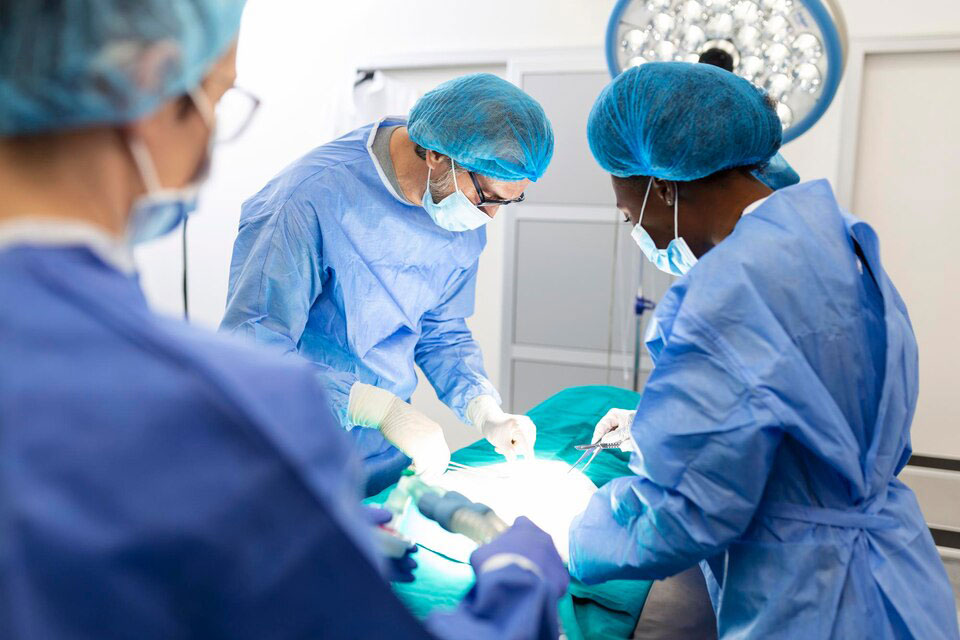
Bone marrow transplants are treatments for some blood diseases that can kill the patient 100%, to remove them completely or to prolong life. Most of these marrow transplants are done to completely ban the disease. Bone marrow transplantation; patients with blood diseases, thalassemia, sickle cell anaemia, or those with blood cancers called leukemia; usually in adults. In addition, a bone marrow transplant is taken in lymphoma and myloma cancers. There is no age limit for bone marrow transplantation. If the disease does not recur in the first 3 years, the bone marrow transplant is 100% effective after the marrow transplant.
Liver transplantation is the most effective treatment method for both adults and children in the treatment of end-stage liver diseases. Liver transplantation has two goals, the first is to prolong life and the second is to improve the quality of life. Liver transplantation is performed in two ways as live-to-live liver transplantation and cadaveric liver transplantation.
The cornea is the clear, dome-shaped surface at the front of the eye. The cornea constitutes a large part of the eye’s ability to see clearly, and transparent and smooth surface of the cornea are the most important factors in achieving this. In cases where the function of the cornea is impaired due to some congenital or acquired corneal diseases, trauma, surgery, infection, keratoplasty (corneal transplantation) can be performed by replacing the cornea with a healthy donor cornea. Donor corneal tissue is obtained from available eye banks in our country. Although keratoplasty is one of the most successful transplant surgeries; There are also risks such as rejection of the new cornea, development of infection or recurrence of the original disease.
To offer a quality kidney transplant chance to patients with kidney failure who have not yet undergone dialysis or who are undergoing dialysis. In our center, live kidney transplantations are routinely performed by laparoscopic method, and thanks to these small incisions, our patients have the opportunity to recover faster. Donors can be discharged on the 1st – 2nd day after transplantation, and the recipients on the 3rd – 4th day.
Organs such as kidney, liver, heart, lung, small intestine and pancreas, tissues such as heart valve, eye cornea layer, muscle, bone and bone marrow, face and extremities can be donated at an increasing rate in recent years. There are also types of organ donation (such as kidney, liver, small intestine and pancreas) that can be done while alive.